Rounds at the bar with flatmates and friends: a mini-split
The corner bar is the fifth flatmate. How to handle the rounds so nobody ends up paying four times in a row, without turning Friday into a spreadsheet.
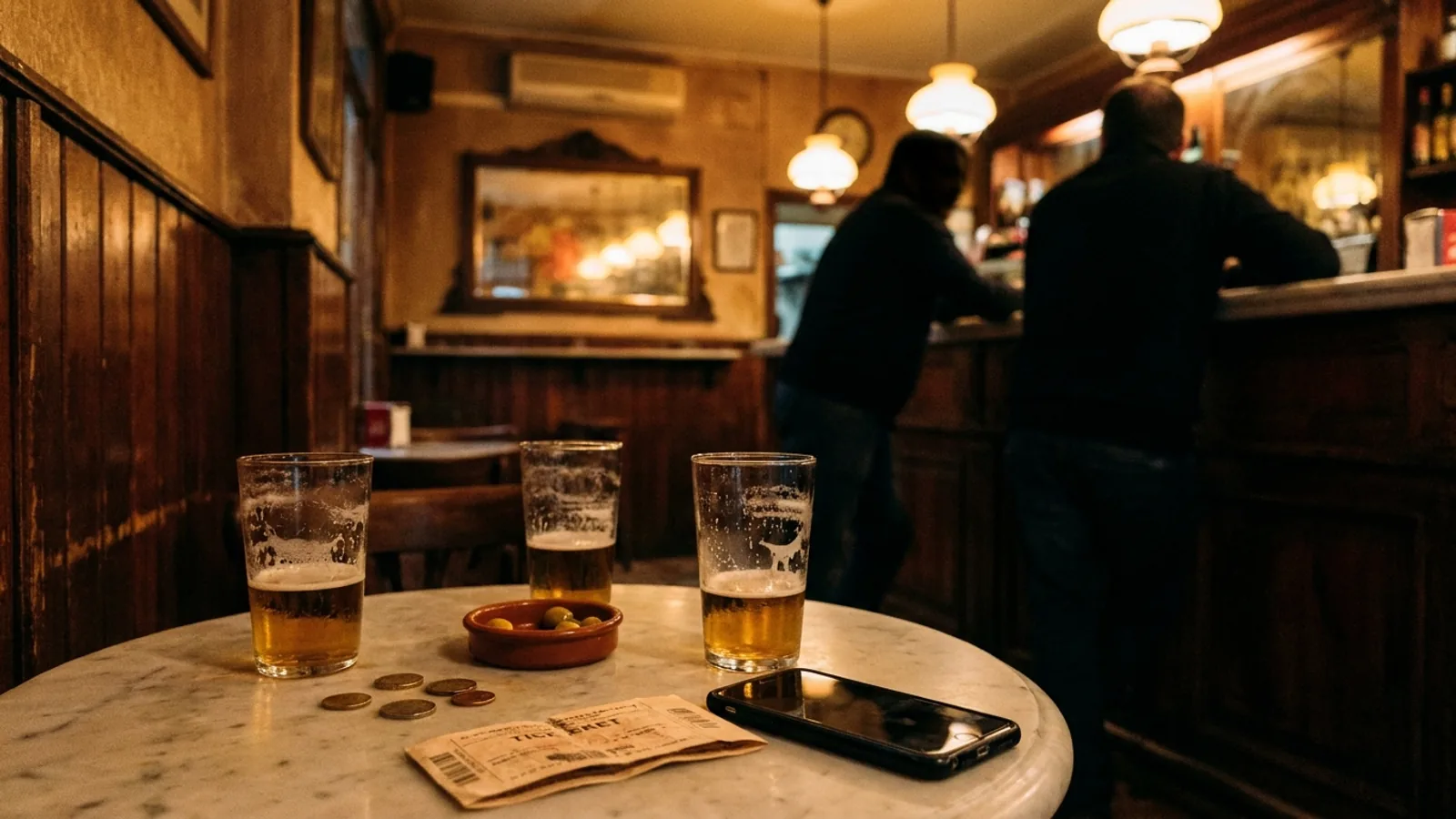
The bar downstairs is part of the flat
In just about every decent flatshare there's a bar. Not the trendy bar on the other side of town, not the cocktail place with a pretentious sign. The bar. The one on the corner, the one that opens at seven in the morning, the one with an older gentleman reading the paper at the counter and a set lunch with a starter, a main, dessert and coffee for under fourteen euros. That bar isn't a venue, it's the flat's fifth room. It's where you head down at eleven at night when the flat feels saturated, where the Thursday beers end up when someone says that "just one and we're off" knowing full well it won't be one.
And like in every repeated social space, the oldest question in the world arises: who pays for these rounds?
Why rounds work until they stop working
The round is a wonderful economic system if it's respected. Each one pays in turn, everyone drinks more or less the same, and over the course of the month the imbalances even out on their own. It's barter economics elevated to the neighborhood: I treat you today, you treat me next Tuesday, nobody pulls out the calculator. It's worked since bars and friendship have existed.
The problem starts when the system cracks for one of three reasons. The first: someone always orders the most expensive thing. The one who heads down with three euros in their pocket and orders a twelve-euro mixed drink, or the one who, ever since they were in Edinburgh, orders single malt whiskies while everyone else goes for a draft beer. The second: someone leaves early. They stay for two rounds, pay the first because they're "near the door" and disappear right when it was their turn to return the treat. The third, the most frequent: the makeup of the group changes. You start as four, a fifth shows up that nobody invited for the first two rounds, and the turn-taking system loses its rhythm.
By the fourth or fifth night like this, someone starts doing the math. And when someone starts doing the math in a bar, the bar stops being a bar and turns into a branch office of emotional revenue collection.
Three mini-split models that survive Saturday
1. The bar's common kitty
The first option, and probably the cleanest, is to set up a common kitty exclusively for the bar downstairs. Each member puts in, say, twenty euros a month into a digital account or a physical pot, and all the rounds you flatmates do together at that specific bar come out of it. When it runs out, you top it up. If it's left over at month-end, you carry it to the next or spend it on a closing dinner.
The virtue of this model is that it kills the conversation about who pays before it begins. Nobody thinks about whether it's their turn, nobody recalls the last night. The kitty pays. The catch is that it requires discipline to replenish it and a minimum agreement on what counts and what doesn't: do the days an outsider comes along count? Does it count when one person goes down to eat alone? Worth defining on day one.
2. The turn-taking app with a scoreboard
The second option is to accept that the good old round system is fine but needs a memory. Instead of trusting the tally to the blurry recollection of Thursday —which never, ever matches the other person's blurry recollection— you log each round in a shared-expenses app. Who paid, how much, who consumed. Three seconds per round. At the end of the month there's a clear balance.
This sounds like an excess of technocracy, I know. But the difference between logging and not logging is the difference between a five-second conversation —"hey, you owe me eight euros from the bar"— and a fifteen-minute cold fight over who paid last Friday and whether we were four or five then. I'll take the short version.
3. The split by level of consumption
The third formula is the most realistic when habits are very different. If in the flat one person always drinks two beers and the other always four plus a burger, strict rounds stop being fair: the moderate drinker ends up subsidizing the hungry one. The solution is to break the round and, simply, each pays for their own, but logging the joint receipt in a tool that splits by individual consumption.
This requires a minimum of paperwork —asking the waiter for an itemized bill, which in some neighborhood bars is a tragedy— or, alternatively, declaring from memory at the end of the night what each one ordered. It isn't romantic. But it's honest. And in a flat where the difference between what each one consumes is significant, it's the only path that doesn't end with one person overpaying for a whole year without noticing.
The invisible expense: the days one person pays and forgets
There's an expense almost nobody logs and that's the great silent loss of flatshares: the times one person heads down to grab something "for everyone" and doesn't agree it with anyone. The crisps you grab to go with the beers that were already open. The bottle of wine that appeared on the table when you got back from the cinema. The Sunday coffee you pay for because you're the first one up and you're not going to wake anyone over two euros.
Two euros here, five euros there, twelve euros another day. By month-end it's forty or fifty euros one person has put in without anyone logging them. It isn't ruin, but it is the constant feeling of "I always pay" that wears down living together more than any big argument. The solution isn't to stop treating; it's to log it. Even symbolically, even if it gets evened out later on the next big shop.
How to close it without killing the bar
The question isn't whether to keep the tally, but how to keep it without turning the bar into an office. The answer is that it should be lightning-fast: three taps on the phone, a photo of the receipt if needed, and on to the next thing. A tool like ControlarGastos lets you have a group just for the bar downstairs, separate from the flat group for rent and utilities, with a split that can be equal or by consumption depending on the day, and that closes the cents by largest remainder so nobody always pays the rounding of the bill. Three times a week, thirty seconds each. Monthly you square up with a transfer and get on with life.
Conclusion: the bar as a thermometer
A healthy flatshare is recognizable because the Thursday night at the bar downstairs never ends with a weird conversation about money. Not because money doesn't get discussed —it does, of course— but because it's been discussed beforehand, in the cold light of day, and the system runs on its own. The bar shouldn't be a place where small debts pile up that nobody wants to mention. It should be, exactly, what it was: a cheap and ugly and wonderful place where you head down to disconnect from the flat. If you need thirty seconds a day for it to stay that way, they're thirty seconds well spent. The day you no longer have to think about it, you'll know the system works.
Keep reading
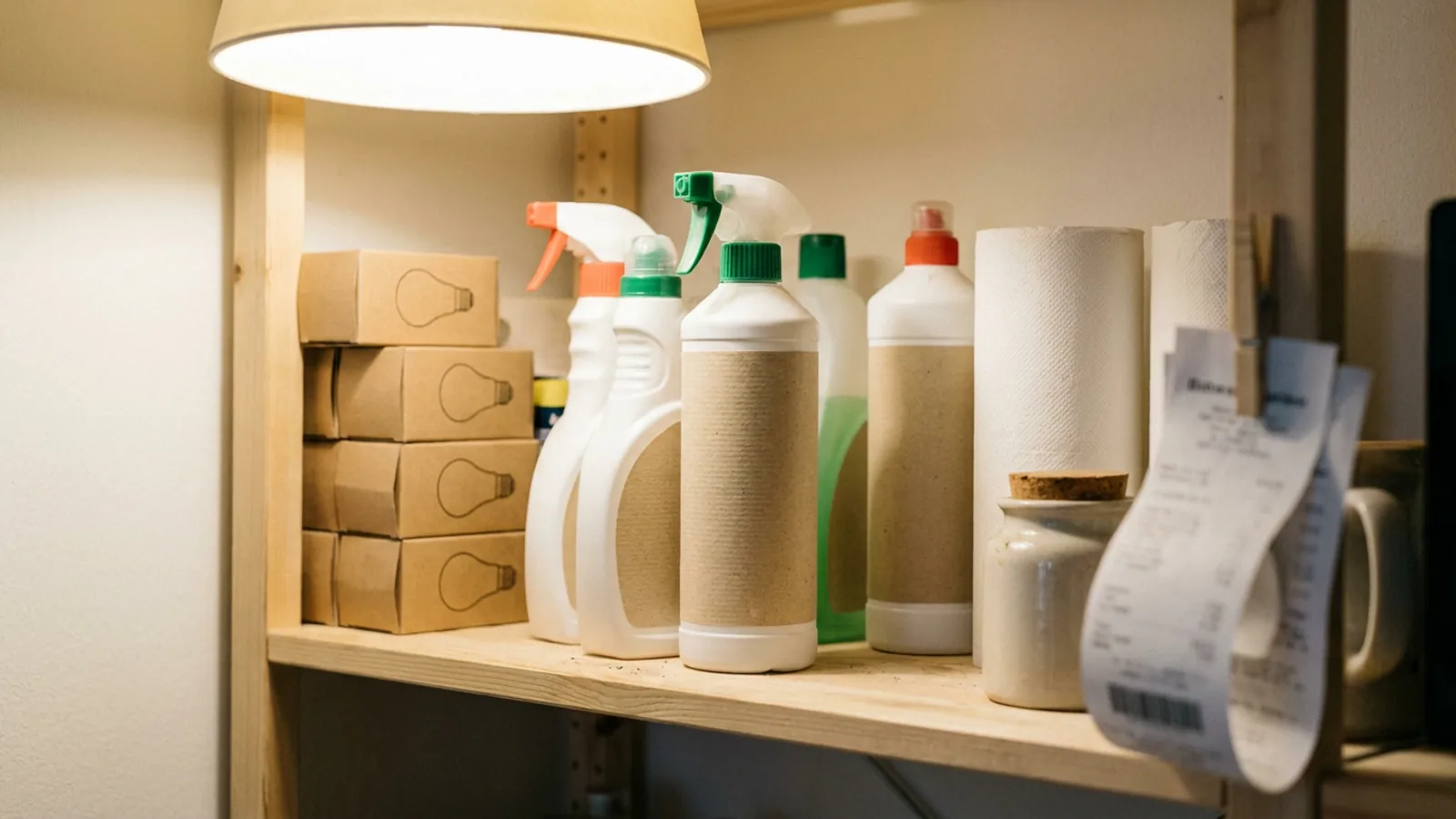
Bulbs, toilet paper, dish soap: the flat's small expenses
The small invisible expenses of a shared flat add up to more than they seem. Light bulbs, toilet paper, cleaning products, salt. Why the expense app doesn't capture them and how to organise them without becoming the living-room accountant.

Shared flat fibre: what speed if everyone works remotely
When three out of four are on video calls at once, 300 Mbps symmetrical falls short. When it's worth upgrading to gigabit fibre and how to justify it to everyone.

Shared-Flat Living Rooms: Furniture for Everyone, No Deeds
Buying the sofa between four sounds easy until someone leaves. Three models so the living-room furniture doesn't turn into a WhatsApp drama full of Bizum screenshots.
Sound familiar?
ControlarGastos automates splitting expenses with your partner, flatmates and friends. Split to the cent, no arguments.
Start for free